How to Feel Comfortable in Front of the Camera: Tips from a People-Focused Photographer


Do You Freeze Up When The Camera Appears?
For many of us, having our photo taken is up there with public speaking or going to the dentist—awkward, nerve-racking, and sometimes an exercise in gritted teeth. Whether it’s personal branding, a family milestone, or event photography, the fear of looking stiff or unnatural in photos stops a surprising number of people from updating their visual story. We see this across all walks of life: small business owners needing branding shots, families wanting to commemorate milestones, or professionals after a headshot that feels genuinely ‘them’. The good news? Looking natural is easier (and more within your reach) than you might think.
Why Comfort in Front of the Camera Matters—Now More Than Ever
In an era of in-person networking, a strong online presence, and fresh starts post-pandemic, authentic images aren’t just nice to have. They are how the world sees you. When you’re comfortable in front of the camera, your personality, professionalism and warmth come through—making you more relatable and approachable. At Juliet Savigear Photography, we’ve seen the difference: relaxed clients attract more business opportunities, clients, and positive feedback. While competitors might focus only on technical cues, our approach is consultative and deeply people-focused, making sure the experience matches the image you want to portray.
Our Comfort-First Approach: How to Feel Comfortable in Front of the Camera
We believe feeling at ease is not just luck or confidence—it’s a process anyone can follow. Here’s how we do it, and how you can too:
1. Start With a Conversation, Not a Pose
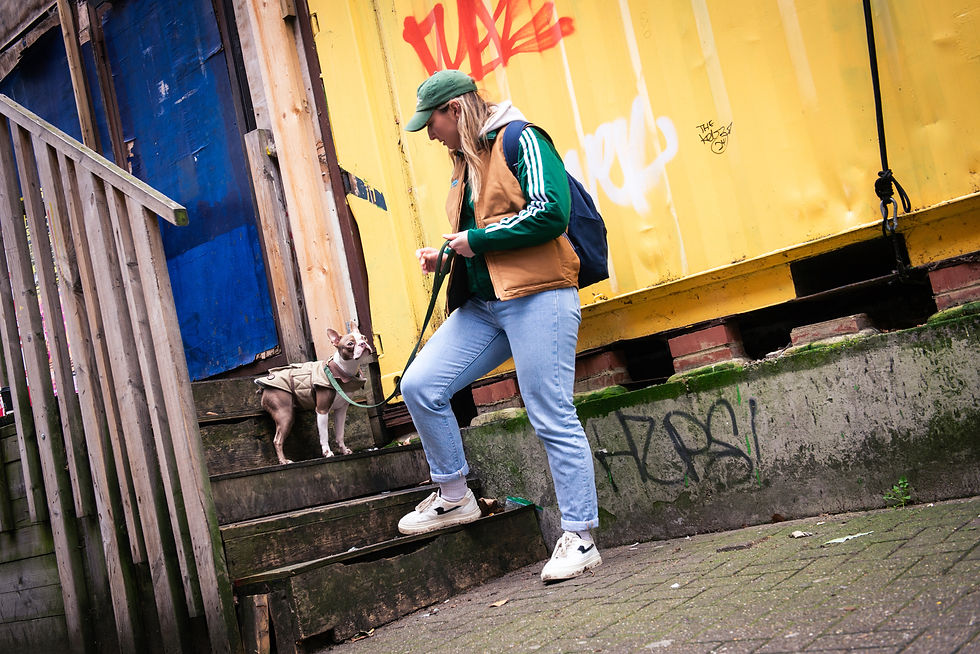
Before any shoot, we talk. We ask about your story, your work, the message you want your images to send. This isn’t about finding your ‘best angle’—it’s about uncovering what feels authentic. For example, before shooting with the founders of Ellie's School for Dogs, we discussed their values and vision, then built a shot list that felt genuine to them, right down to the street-style branding photos that make their imagery pop.
Tip: Ahead of your next shoot, reflect on what you want your photos to say. Share that with your photographer, even if it feels personal or vulnerable.
2. Plan Ahead—Uncertainty Is the True Enemy
Knowing what to expect builds confidence. We map out the day, discuss outfits, backgrounds, and even music playlists if that will help you settle in. During our shoot with Artisan Brick & Stone Restoration, for instance, we planned around the craftsman’s natural workflow, so nothing felt staged or forced—and the result was imagery that showcases real skills in action.
Tip: Ask your photographer for a rough schedule or list of shots. The more you know, the easier it is to relax.
3. It’s Not About The Perfect Smile
A huge misconception is that you have to fake endless grins. Actually, some of the most powerful portraits happen between moments: a small laugh, a thoughtful glance, a natural gesture. At the Royal Thames Yacht Club family reunion, capturing laughs and happy tears during a toast and tender moments between relatives told a better story than any formal lineup ever could.
Tip: Allow (and ask for) candid shots—sometimes they’re the ones you’ll treasure most.
4. Guided, Not Rushed
We never throw clients in front of the camera and hope for the best. Our style is chatty, supportive, and collaborative. Nervous clients receive gentle prompts—not barked instructions. For example, with a technology business looking for both classic headshots and casual branding images, we encouraged the brothers to interact as they normally would, resulting in lively, authentic photos that reflect their dynamic.
Tip: If you need direction, say so. A good photographer will guide you through simple prompts like leaning, walking, or laughing, so you can focus on feeling rather than posing.
5. Use Your Environment
Location matters. Familiar surroundings, whether your favourite café or a meaningful workspace, make nerves melt away. For a Haute Couture catwalk event at Dartmouth House, we let the elegant backdrop blend into the moment, encouraging participants to interact with the space instead of freezing up under the lights.
Tip: Choose locations that matter to you or set you at ease—and don’t be afraid to bring personal items or props.
6. Trust the Process—And Yourself
Remember: discomfort is normal, but it fades. We see it all the time—the first few minutes can feel rocky, but soon most people start to relax. Our job, with over 20 years in visual communication, is to bring you gently from ‘anxious’ to ‘authentic’ and provide gentle, specific feedback throughout.
Tip: The more shoots you do, the easier it gets. Treat the experience as a partnership—your input is just as important as the photographer’s.
Real Stories: When Comfort Translates to Standout Portraits
One memorable example is the surprise 80th birthday at the Royal Thames Yacht Club. Family members, initially reserved and camera-shy, soon forgot the lens even existed—allowing us to capture genuine surprise, laughter, and connection. Similarly, for a local baby sleep consultant, once she felt comfortable in her own expertise with babies and children, the nerves disappeared and she was able to focus on exactly what she does best.
These are not outliers: most people can feel comfortable on camera with the right preparation and approach. We encourage every client to bring their questions, quirks and ideas to the table.
Frequently Asked Questions: How to Feel Comfortable in Front of the Camera
What should I wear to feel comfortable in photos?
Choose outfits you genuinely feel your best in—nothing too tight, fussy, or out of character. Neutral colours and layers work well, but comfort comes first.
How can I stop looking stiff or awkward in photos?
Focus on micro-movements: shift your weight, take a breath, or interact with your environment. A good photographer will coach you through natural gestures.
What if I hate having my photo taken?
You’re not alone! Share your concerns with your photographer in advance—they should adapt the experience to help you ease in gradually.
Does experience matter for the photographer?
Absolutely. A photographer with a background in film, advertising and PR (like ours) can bring out the best in clients with effective communication and visual strategy expertise.
How do I prepare if I’m really nervous?
Rest well, communicate your worries, and visualise the outcome you want. The more transparent you are, the more personalised the session becomes.
Discover Your Most Natural Self on Camera
Everyone deserves to feel seen and confident in their photos—whether you’re launching a new business or capturing a milestone moment. If you’re ready to experience a photography session centred around your comfort and personality, we’d love to chat. Let’s plan a shoot that puts you at ease and brings out your very best.


Comments